
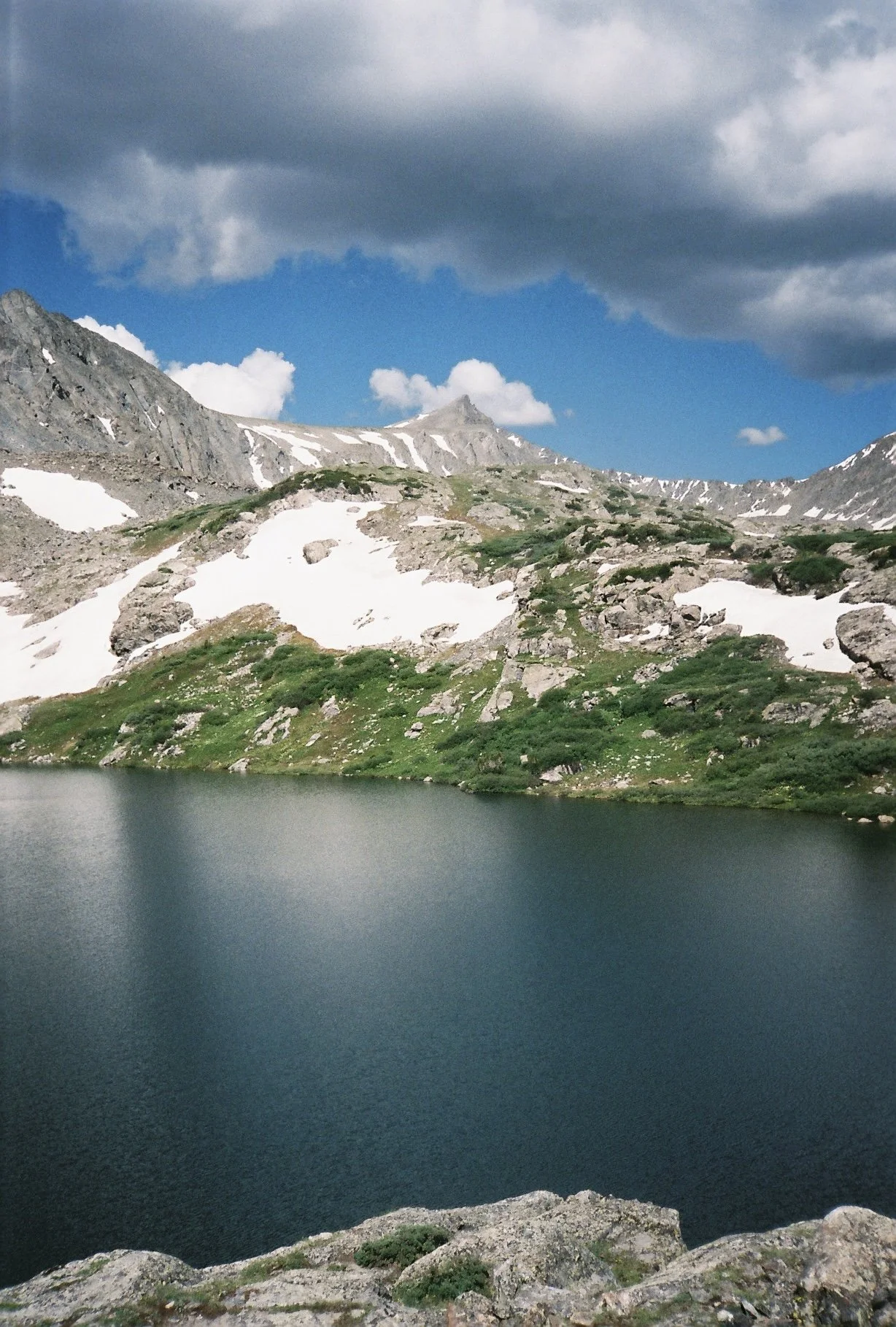
What is Nature-Based Therapy?
Nature-based therapy, often referred to as Ecotherapy, invites us to reconnect with the natural world in a meaningful and intentional way. It centers on the idea that our wellbeing is deeply intertwined with the natural world around us, and that spending time in nature can restore a sense of grounding, presence, and belonging. Through guided experiences outdoors or with nature-based practices, nature-based therapy helps us return to our core needs for connection, balance, and mutual relationship. By nurturing our relationship with the land, we learn to live more gently and authentically within ourselves.
Ecotherapy helps bring the healing qualities of the natural world into the work we do together. Instead of being limited to an office, sessions can take place outdoors: walking trails, sitting under trees, near water, or in any accessible outdoor space. The environment becomes part of the process, helping you connect more deeply to your body, your emotions, and your sense of grounding.
Nature-Based therapy is a way to incorporate using the natural world around as as a partner and collaborator in your healing journey. It can offer new insights in comparison to traditional talk therapy. Many clients find that being outside helps reduce pressure, eases anxiety, and makes it easier to access parts of themselves that previously felt hard to connect with in traditional office settings.
How can it help me?
Nature-based therapy can support you if you’re working through:
Anxiety, stress, or overwhelm – Natural surroundings often help calm the body and reduce hypervigilance.
Depression or feelings of stagnation – Movement, fresh air, and shifting scenery can gently interrupt stuck patterns.
Identity exploration – Nature offers a space for authenticity and self-discovery without judgment, which can be especially powerful for queer folks. Nature is queer too!
If traditional talk therapy hasn’t worked for you…
You’re not alone. Nature-based therapy can feel less formal, less intimidating, and more spacious. It allows you to show up as you are, move at your own pace, and engage with therapy in a way that feels more embodied and intuitive. If the idea of being outdoors, moving your body, or finding connection and healing through partnership of the natural world, this approach might be a good fit for you.
FAQ
-
Absolutely. You don’t need to be a hiker, camper, or nature expert. Nature based therapy isn’t about being “outdoorsy.” It is about connecting to the natural world that we often forget we are a part of! In doing so, you have the opportunity to experience healing through a relationship with nature. Sessions can be as simple as sitting on a bench, walking at a gentle pace, or finding a quiet shaded spot. We work together to explore what feels safe and accessible for your body and your goals for therapy.
-
Year round! We plan sessions with the weather in mind. Luckily, Colorado is a sunny sunny place! If conditions are unsafe or simply not workable—extreme heat, heavy storms, poor air quality—we can always move the session indoors, online, or reschedule. We work together to discuss this upfront, and determine thresholds for conducting sessions outdoors.
-
Not at all. While many sessions take place outdoors, nature-based therapy can also happen indoors by bringing natural elements into the work. This might include mindful grounding with natural objects, guided imagery, eco-informed interventions, or exploring your personal connection to nature even when we’re inside. The focus is collaborating with nature as a therapeutic partner.
Land Acknowledgement
Summit Therapy acknowledges that we operate on the ancestral lands of the Arapaho, Cheyenne, Ute, and many other Indigenous peoples. We recognize that land acknowledgements are an important practice as they honor the long-standing history of Indigenous stewardship, bring visibility to ongoing injustices caused by colonization, and invite us to engage in meaningful accountability and relationship-building. We are committed to continually nurturing a reciprocal relationship with the land and honoring the Indigenous communities, past, present, and future, who have cared for it.